Expert Chimney Crack Repair in the Front Range
Protect Your Chimney with Expert Chimney Crack Repair
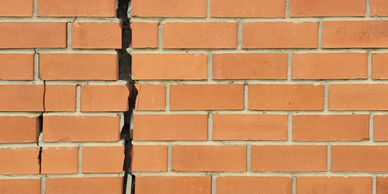
Cracks in a chimney form slowly. Heat, weather, and movement in the home all put strain on the chimney walls. Moisture settles in these cracks, expands in freezing weather, and widens the gaps over time. Small openings eventually turn into structural problems that affect both the chimney and the roof around it.
We repair chimney cracks for homeowners and property managers throughout the Front Range. This includes filling gaps, resurfacing damaged areas, restoring weakened mortar, and protecting the chimney from further weather exposure. We look for the source of the cracking, not just the visible damage. Some cracks are cosmetic while others indicate deeper issues. We address both with long lasting repair methods.
Chimney cracks are common in Colorado due to rapid temperature swings and exposure to wind and snow. Fixing them early keeps the chimney stable and prevents costly repairs later.
Why Chimney Cracks Repair Matters
Structural Protection
Cracks weaken the chimney. Once the surface opens, heat and moisture begin to break down the underlying material. This affects the chimney’s stability and can spread to areas that support the fireplace. Repairing the cracks keeps the structure strong and prevents larger failures.
Water Defense
Even thin cracks allow water into the chimney body. Moisture leads to crumbling mortar, damaged liners, and interior staining. Over time, water can reach the roof deck or attic areas. Repairing cracks blocks this path and keeps the interior of the chimney dry.
Longer Chimney Life
A chimney with untreated cracks deteriorates faster than one that is maintained. Regular repair extends the life of the chimney, protects the home, and reduces the chance of full replacement. Small repairs now prevent major reconstruction later.
Before You Call
Homes show early signs when cracks begin to cause problems. Mortar flakes off. Paint on the chimney face begins to blister. The chimney may lean slightly or show surface separation. Indoors, you may see faint staining on walls near the fireplace. Each of these signs suggests that the chimney is carrying moisture or shifting due to weakened areas. Repairing cracks stops the progression.
If you notice cracks in your chimney or signs of moisture nearby, reach out. We can inspect the damage and repair it before it spreads.
What Happens if You Delay Chimney Repairs?
Larger Structural Issues
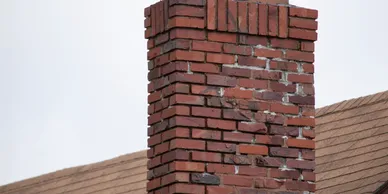
Cracks grow under stress from heat and cold. Once they widen, the chimney begins to shift. This may lead to leaning, loose bricks, or gaps around the chimney base. Repairs become more involved as damage spreads.
Water Damage Inside the Home
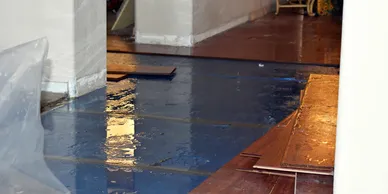
Moisture entering through cracks travels into the chimney framing and nearby roof sections. This causes rot, mold, and staining. Water damage often appears far from the original crack, making it difficult to diagnose after the fact.
Heat Loss and Safety Problems

Cracks allow heat to escape into areas not built to handle high temperatures. This can create safety issues behind the walls and above the fireplace. Repairing the cracks reestablishes a safe barrier.
Pricing Snapshot
Chimney crack repair is priced on a home by home basis. Every chimney has different materials, damage levels, and structural needs. We inspect the chimney, explain what work is needed, and provide a clear quote before repairs begin.
DIY vs Hiring a Tech
What Homeowners Can Do
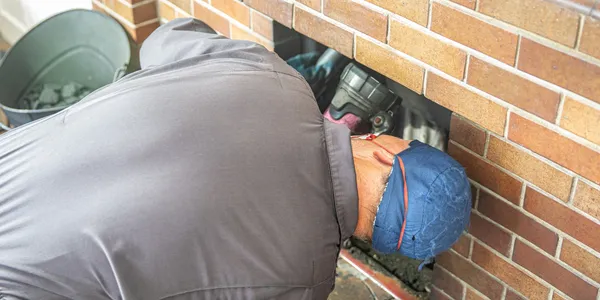
Homeowners can watch for early signs of cracking and keep the area free of debris. They can also check for moisture or surface changes after heavy weather. These steps help catch issues before they worsen.
What a Technician Handles
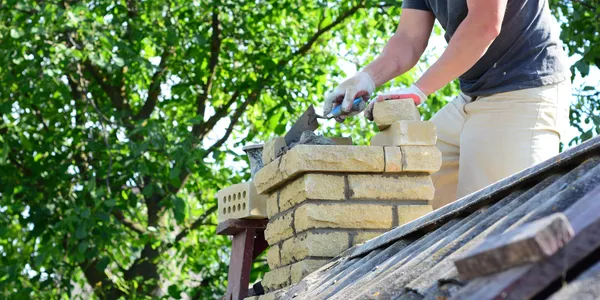
A technician identifies cracks that may not be visible from the ground. We clean the damaged areas, fill gaps with materials suited to chimney heat, restore missing mortar, and apply protective coatings if needed. We also evaluate the chimney structure to make sure the repair addresses the root cause. Proper repair requires training and the right materials to ensure a safe and durable fix.
Frequently Asked Questions
Please reach out to owen@highpoint-hvac.com if you cannot find an answer to your question.
What causes chimney cracks?
Weather, heat cycles, settling in the home, and moisture all contribute to cracking. Colorado’s freeze thaw cycles speed up this process.
Are all chimney cracks serious?
Some are surface level while others affect structural strength. An inspection determines which type you have and what repairs are needed.
Can HVAC maintenance improve indoor air quality?
Yes. Even small openings allow moisture to enter the chimney body and surrounding framing. This leads to rot and interior damage.
How soon should cracks be repaired?
The sooner the better. Small cracks are simple to fix. Large ones require more extensive work and cost more over time.
Can repairing cracks improve chimney safety?
Yes. A repaired chimney contains heat properly, vents correctly, and stays stable under seasonal stress.
Get In Touch
We provide Front Range Chimney Cracks Repair for homeowners and rental properties. Call or message to schedule an inspection. We keep chimneys stable and homes protected.